
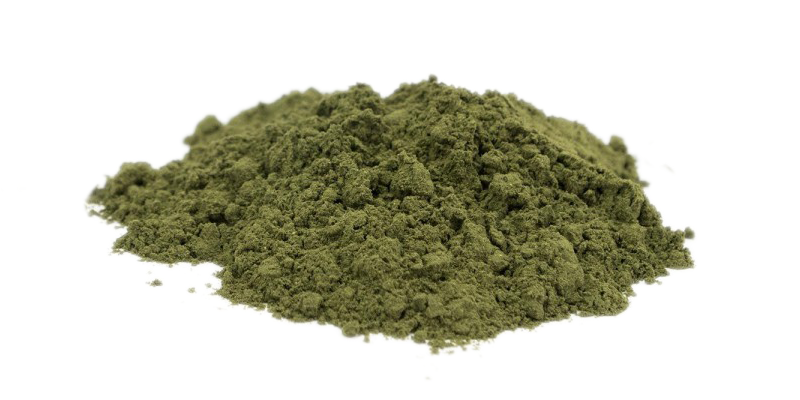
Peppermint Leaves Powder
$ 8.71
Latin Name: Mentha × piperita Part Used: Herb, Leaves Affects: Digestive system, Respiratory system Description:Peppermint leaves are used to counteract nausea and vomiting, and to relieve intestinal gas and bowel irritation. Peppermint is also used for biliary disorders, dyspepsia, headaches, fevers, and colds. In Europe, enteric-coated capsules of peppermint oil are taken for colitis and irritable bowel syndrome (IBS). In Chinese medicine, it is indicated for fever and headaches associated with certain types of colds and flu, as well as for skin lesions. A classic European remedy for colds and flu involves preparing a strong infusion with equal parts of peppermint, yarrow, and elderflower, consumed hot (1–2 cups). This is often combined with a hot bath and sweating therapy, which helps reduce fever, release heat, and eliminate toxins from the body. It is important to replenish fluids with herbal tea or water. Today, enteric-coated peppermint oil capsules are commonly used to help relieve chronic digestive pain and cramping, especially in cases related to gas and IBS, with some scientific support for their effectiveness. However, some individuals may experience gastrointestinal irritation or a burning sensation. The internal use of peppermint oil is contraindicated in young children. It is recommended to start with a low dose (1 drop) diluted in warm water or herbal tea (such as marshmallow root), or to use enteric-coated capsules, in order to check for individual sensitivity. In some cases, peppermint oil may cause digestive irritation, while inhalation may lead to breathlessness or laryngeal spasms in sensitive individuals.